Optical Membrane Soil Moisture Sensor
What is it?
The Optical Membrane Soil Moisture Sensor is a new, patent-pending technology for evaluating the state of water saturation in soil.
How does it work?
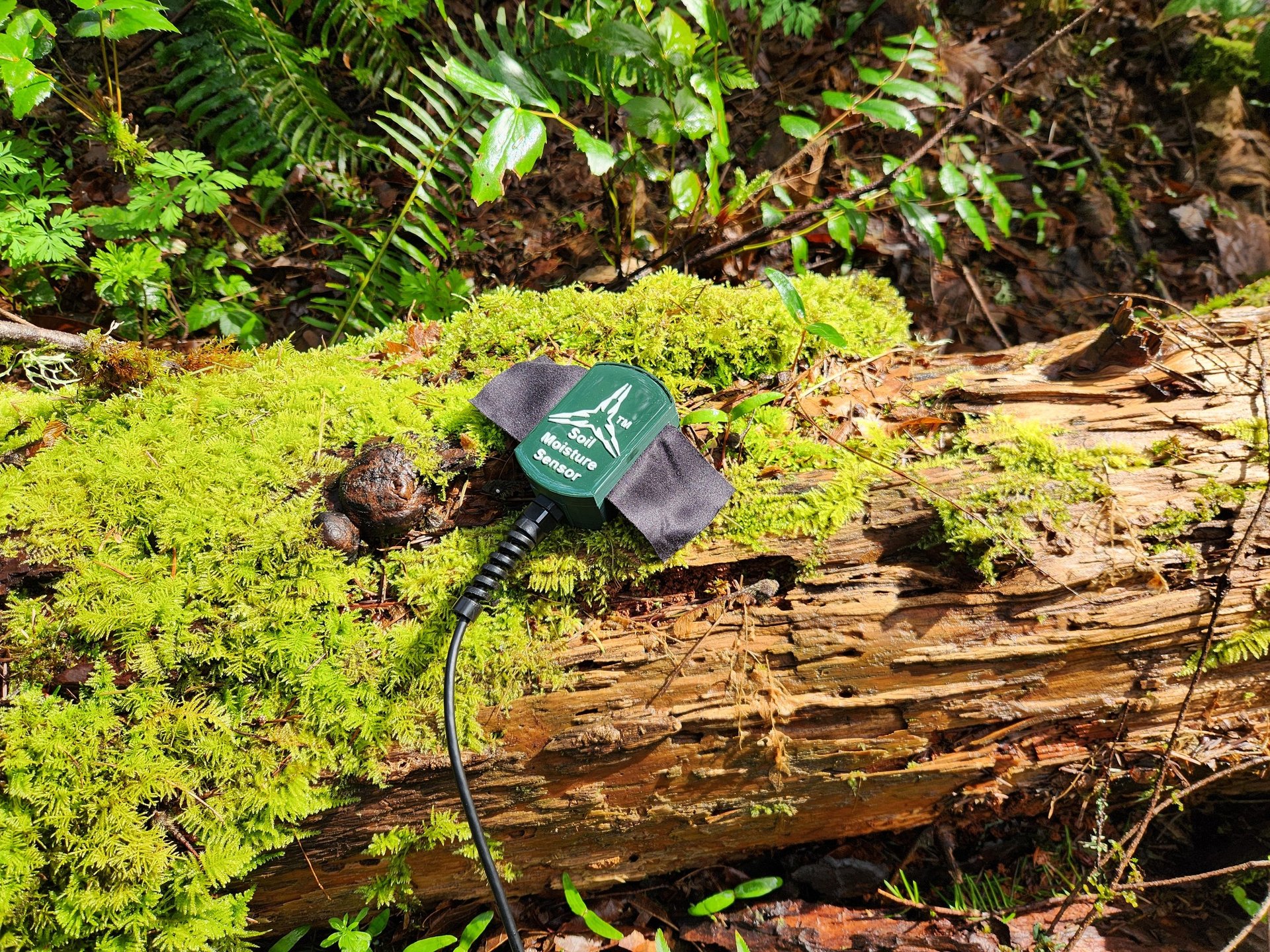
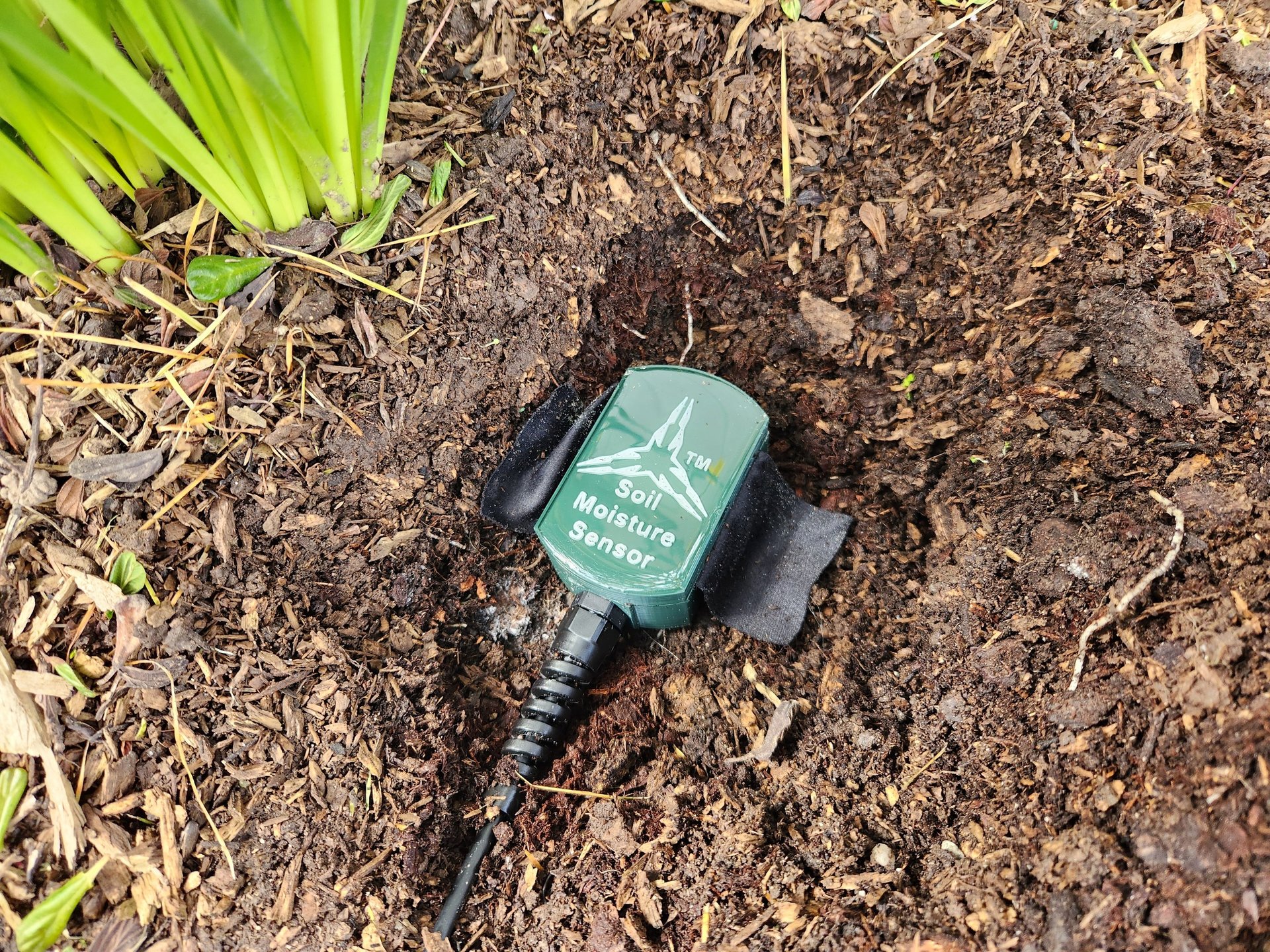
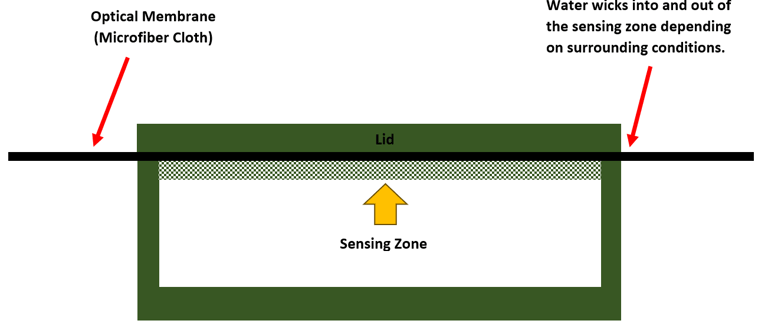
The sensor is designed to be buried in the soil, with microfiber “wings” (optical membrane) extending from its sides. This membrane absorbs moisture from the surrounding soil, which then wicks into the core of the sensor. As water content increases, it modulates the optical characteristics of the system. The onboard electronics evaluate this modulation and output a numerical value representing the soil’s saturation level—ranging from 0% (completely dry) to 100% (fully saturated)—via a serial connection to a computer or other device for further processing.
What Are Its Key Features or Benefits?
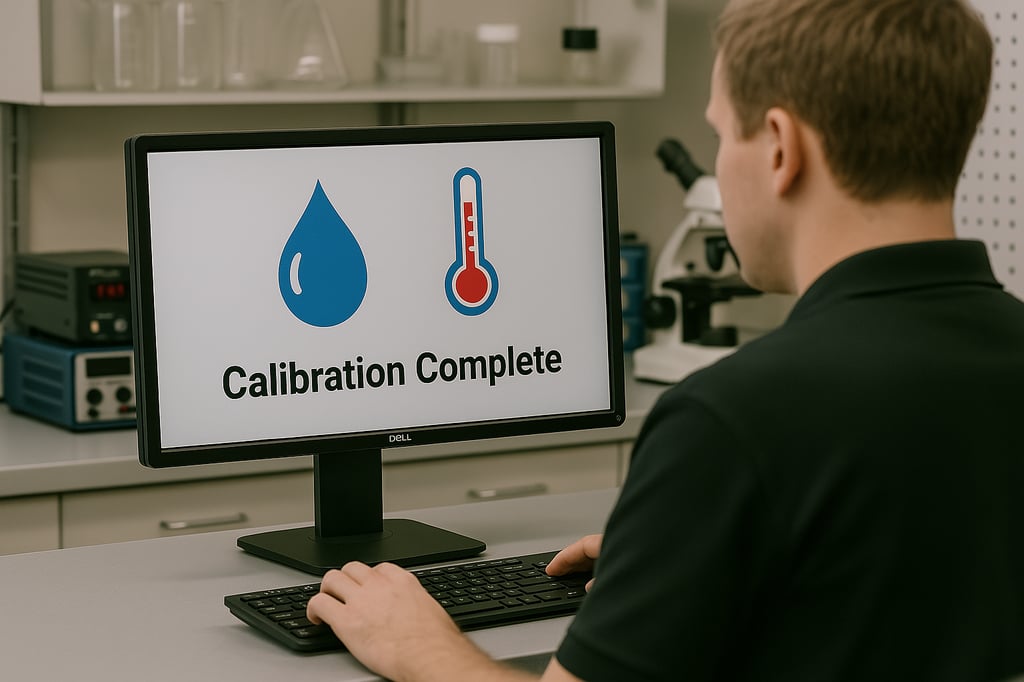
Factory Calibrated
Plug and play. Pre-calibrated at time of manufacture for consistent moisture and temperature data. No user setup required — just connect via USB.


No Galvanic Degradation Over Time
Sensor design avoids electrochemical wear, supporting stable performance in extended deployments.
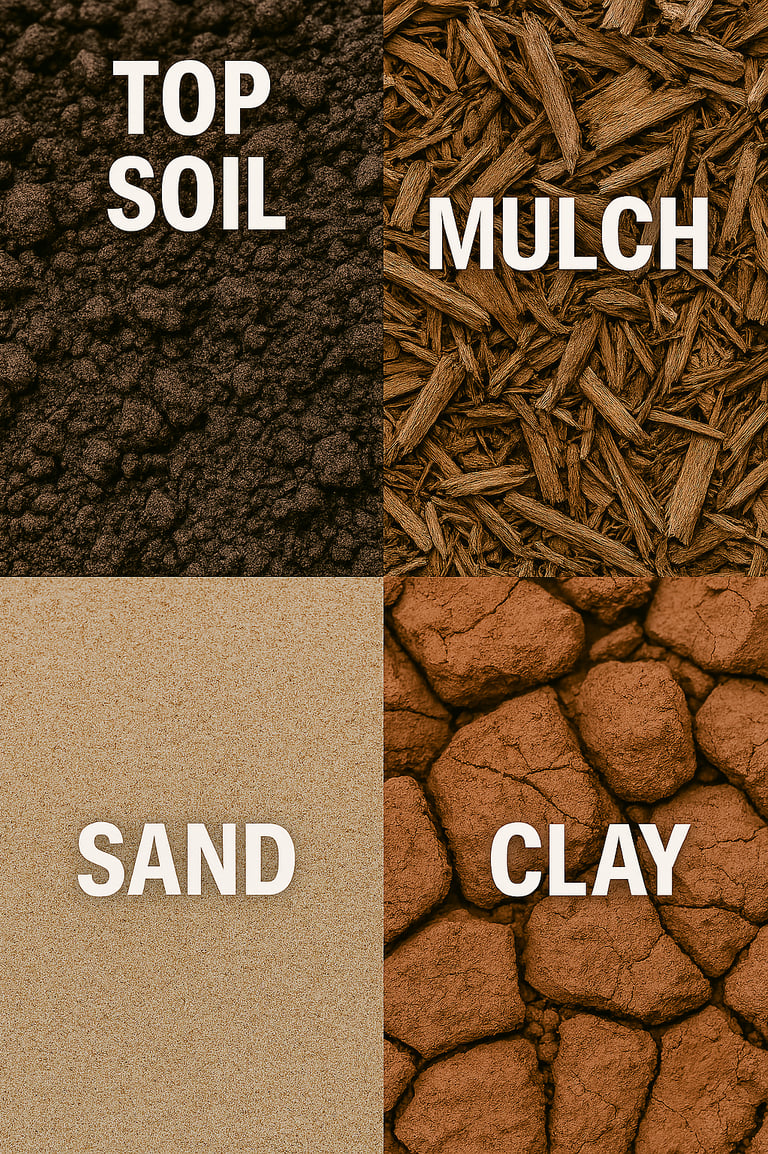
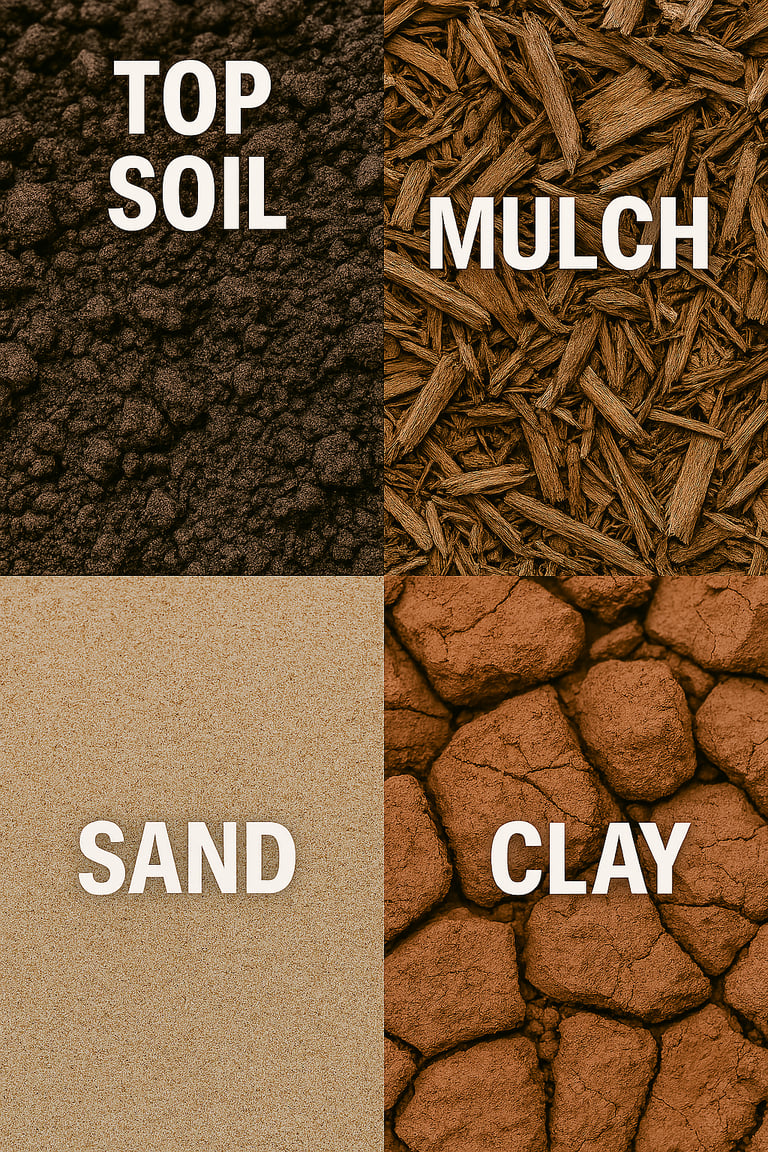
Works in Any Soil Type
Reliable performance in clay, sand, topsoil, or mixed media. Not affected by soil composition or mineral content.
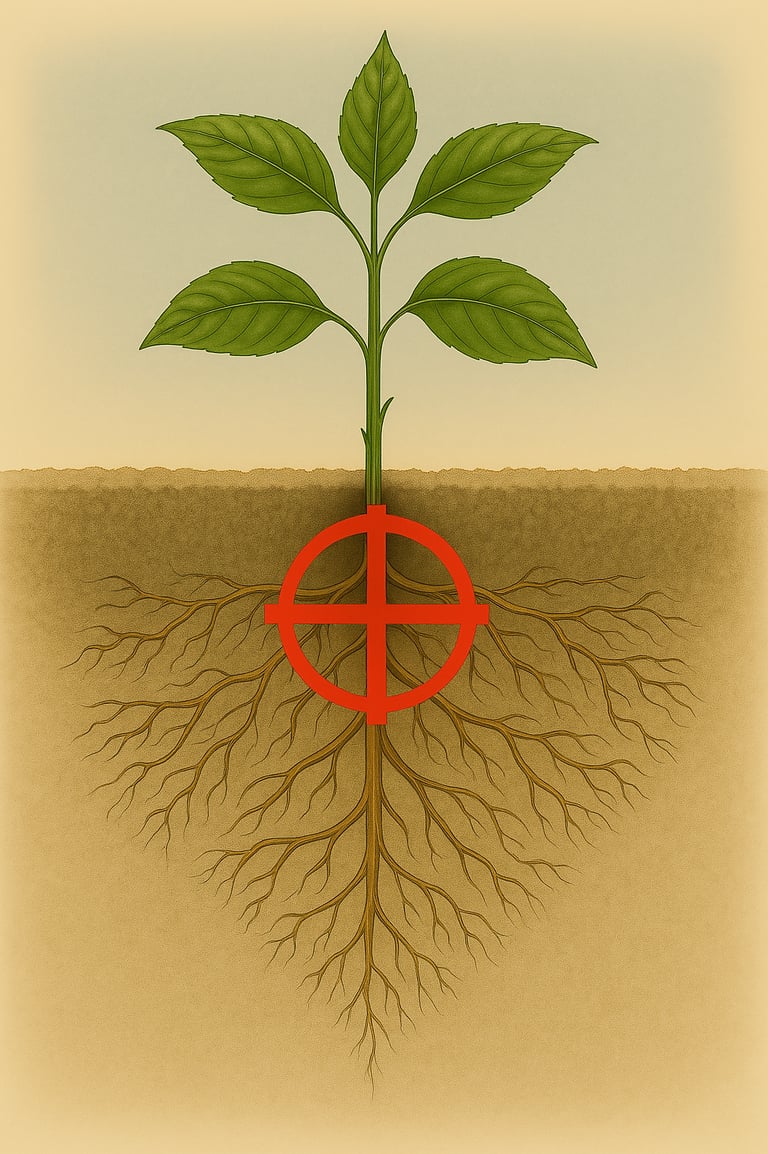
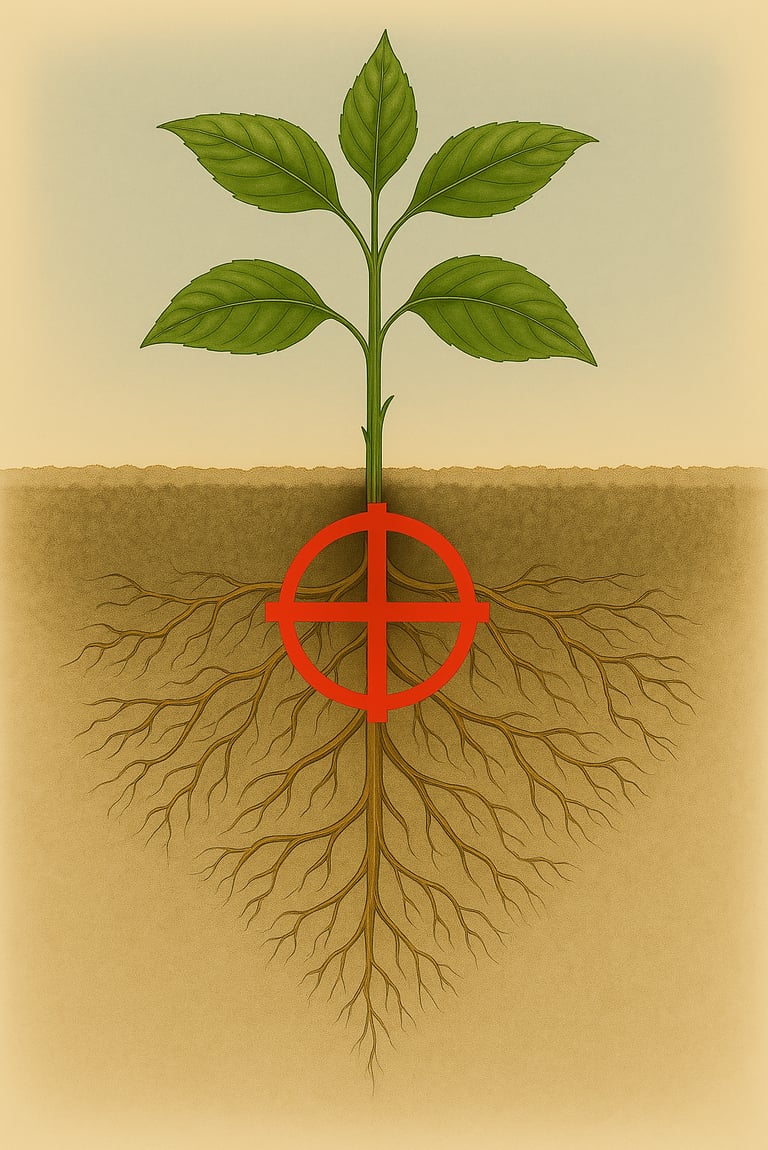
Flexible Installation Depth
Bury the sensor at any depth to match your monitoring needs — ideal for raised beds, planters, greenhouse zones, or lawn irrigation.
No Need for Tight Soil Contact
Operates without relying on electric field coupling. If water reaches the sensor, it works — even with air gaps or loose soil.


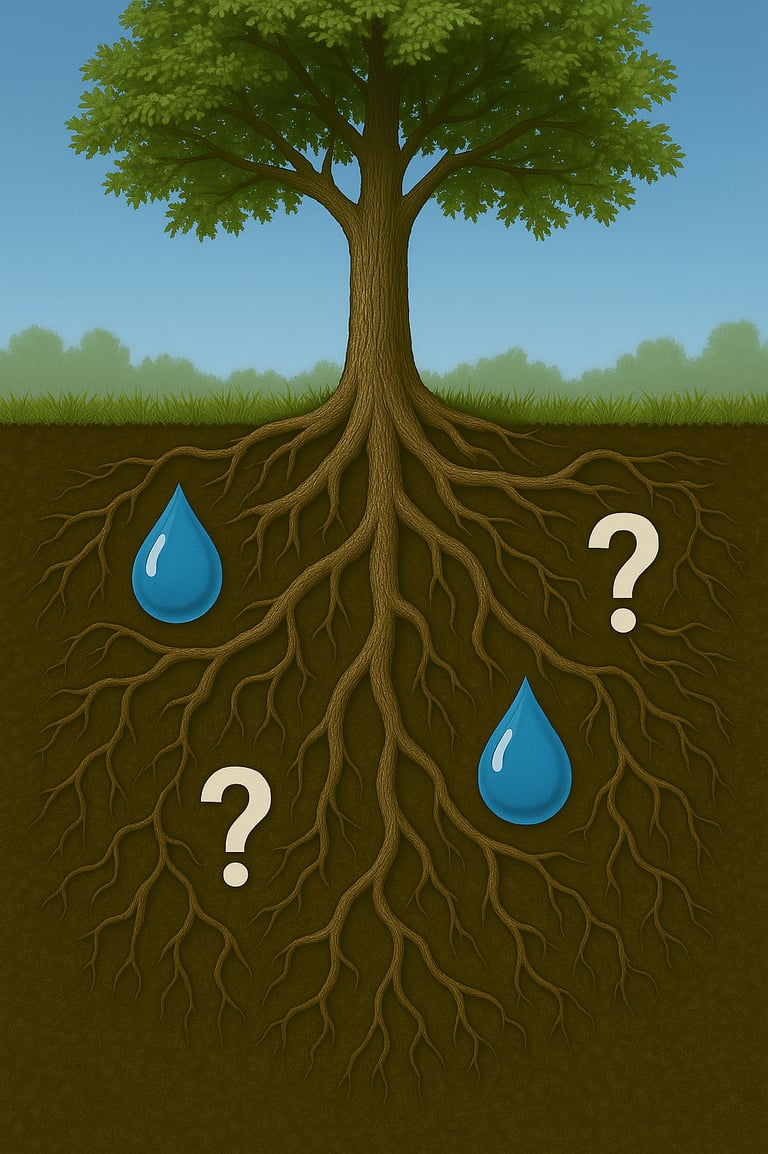
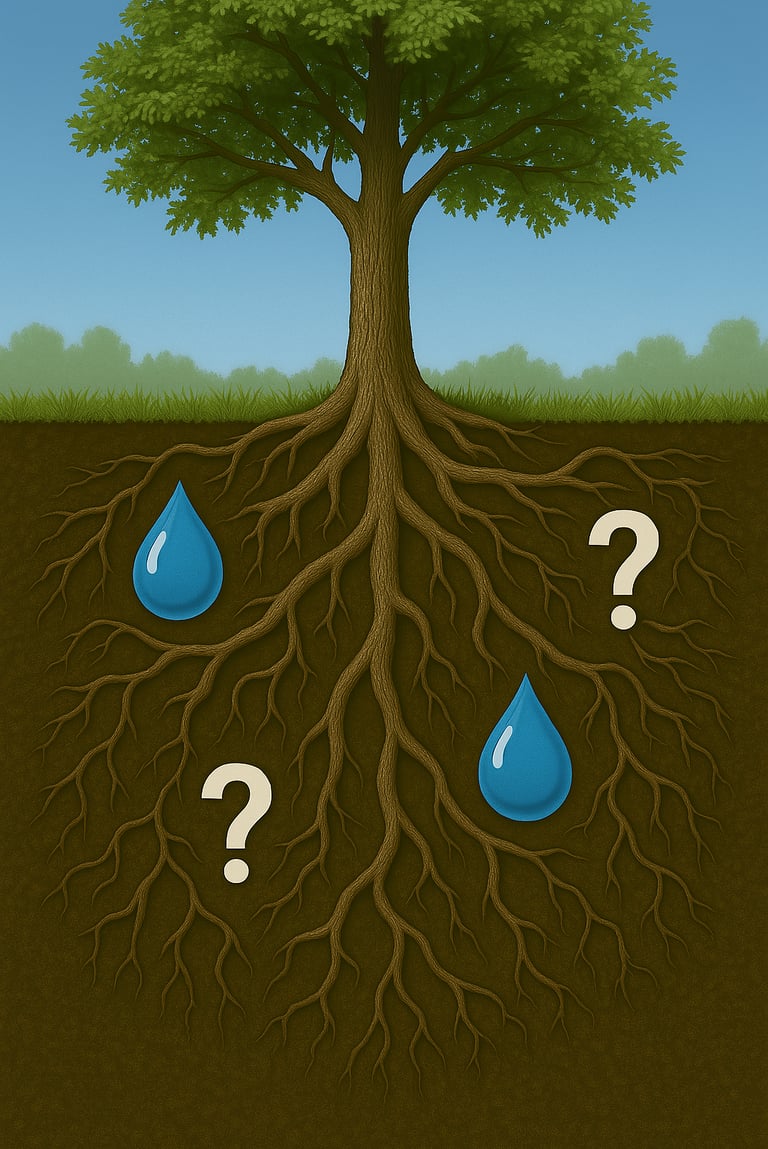
True “Roots-Eye-View” of Water Saturation.
Provides a realistic representation of plant-available water for smarter irrigation decisions and healthier root zones.
Performance Data
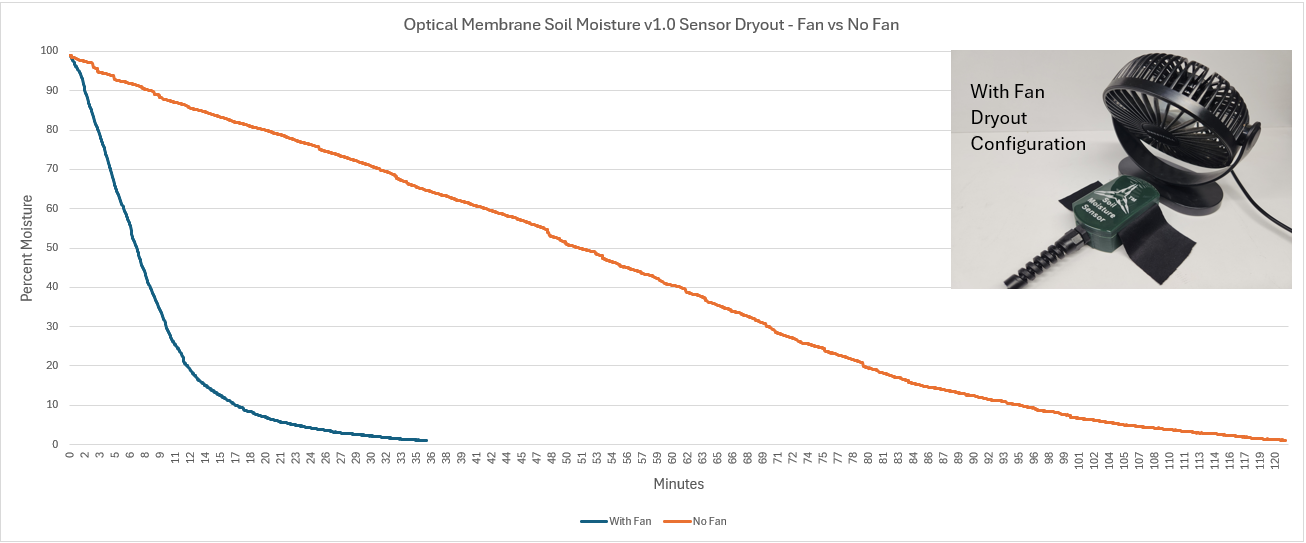
Forced Air vs. Natural Dryout Curves
This chart shows how forced airflow accelerates drying, while ambient conditions dry more slowly. In both cases, the sensor tracks the wet‑to‑dry transition cleanly and predictably, demonstrating stable behavior regardless of drying rate.
Precision Dosing Response
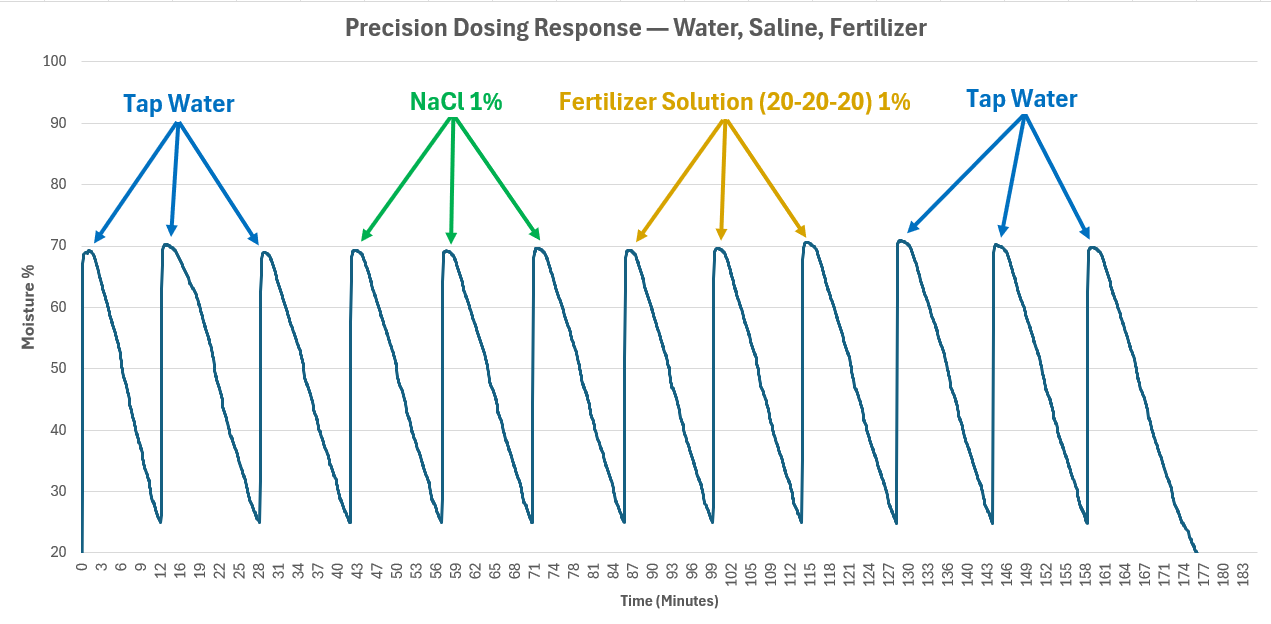
This chart shows that the sensor responds to wetness itself, not to whatever happens to be dissolved in the water. Each cycle uses the same volume of fluid, first with plain water, then with 1% saline, then 1% fertilizer, and finally water again. The nearly identical peaks across all chemistries demonstrate that the sensor is driven by actual wetting of the membrane, not by ions, salts, or fertilizer components. This makes the readings stable, repeatable, and immune to the chemical variability that confuses traditional moisture sensors.
Version Information
This sensor is initially being offered as a technology demonstrator for several intentional and strategic reasons. As a newly invented sensing method, it requires long‑term stability testing before definitive claims can be made about multi‑year performance in diverse field conditions. The demonstrator format allows early adopters to evaluate the core optical membrane moisture‑sensing technology while this extended testing is underway.
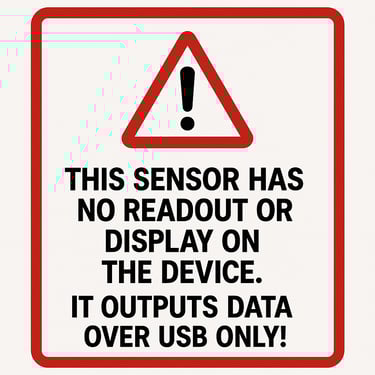
The design follows a minimum viable product philosophy. The initial release focuses on delivering the sensing technology itself in a form that integrates cleanly into existing data‑acquisition systems. As such, it does not include auxiliary features such as Wi‑Fi connectivity, battery power, onboard displays, or other system‑level components that belong to a broader precision‑agriculture platform. By keeping the design focused and streamlined, the demonstrator provides the most direct, unfiltered access to the sensing capability without additional layers of hardware or software.
The goal of the technology demonstrator is simple: to showcase the performance and advantages of optical membrane moisture sensing in its purest form. This approach provides immediate practical value while laying the groundwork for future, fully integrated versions.
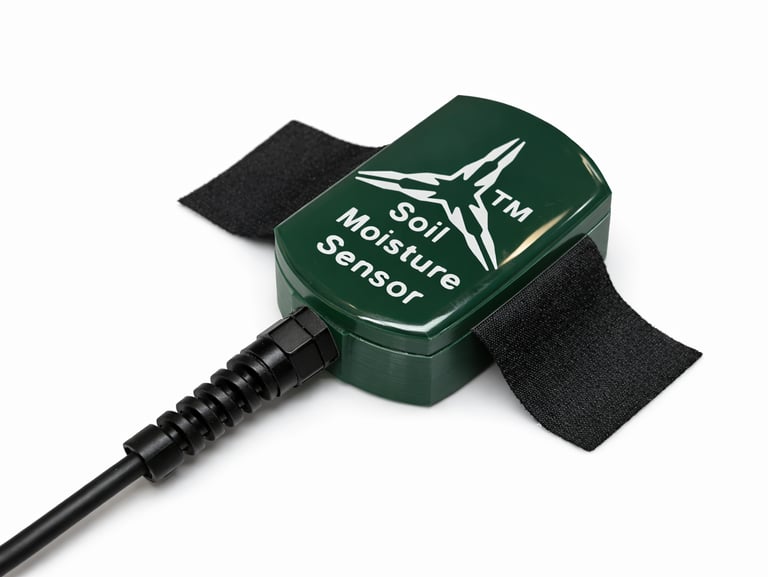
Technology Demonstrator v1.0




Integration Options
Below are some options to communicate with the sensor. Integration options are provided by Trillium Technical Innovations as a professional courtesy. They are offered as‑is and may not be fully supported or guaranteed to work in all environments. Please use them with appropriate caution and verify they meet your needs.
Android Phone


Phone + OTG Adapter + Serial App
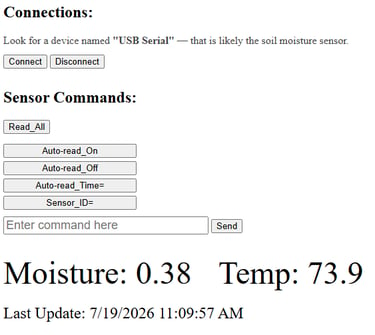
Web Browser
A very light-weight solution to communicate using a PC.
Node Red
A robust and highly versatile interface.
© Copyright 2025-2026 Trillium Technical Innovations LLC. All rights reserved. All registered or unregistered trademarks herein are the property of their respective owners.